

Mumbai: How to avoid UPI scams in India is a question many people ask only after it’s too late. Just last month, my friend Meera called me in tears — she had lost ₹15,000 in minutes.
All it took was one wrong click on a fake link disguised as her bank’s official message. She thought she was verifying her account, but in reality, she had handed over her UPI credentials to a scammer.
Meera is not alone. Every day, thousands of Indians experience similar digital theft. What makes it worse is the shock and self-blame victims often feel. They wonder, “How could I fall for this?” But the truth is, these scams are designed to trick even the most careful among us.
If you or someone you love uses UPI, knowing how to avoid scams is no longer optional—it’s essential. Let’s break it down.
What Are UPI Scams?
Unified Payments Interface (UPI) has revolutionized payments in India. With just a few taps, you can transfer money instantly. But fraudsters are exploiting this convenience.
Common types of UPI scams include:
- Phishing links – Fake SMS or emails asking you to “update” or “verify” your UPI ID.
- Fraudulent payment requests – Scammers send a “collect request” pretending to be buyers or sellers.
- Screen sharing scams – Fraudsters ask you to install apps like AnyDesk, letting them control your phone.
- Fake UPI apps – Apps that look legitimate but steal your bank details.
According to RBI, cyber frauds related to digital payments have increased significantly in the past two years, making awareness the first line of defense.
How to Avoid UPI Scams in India
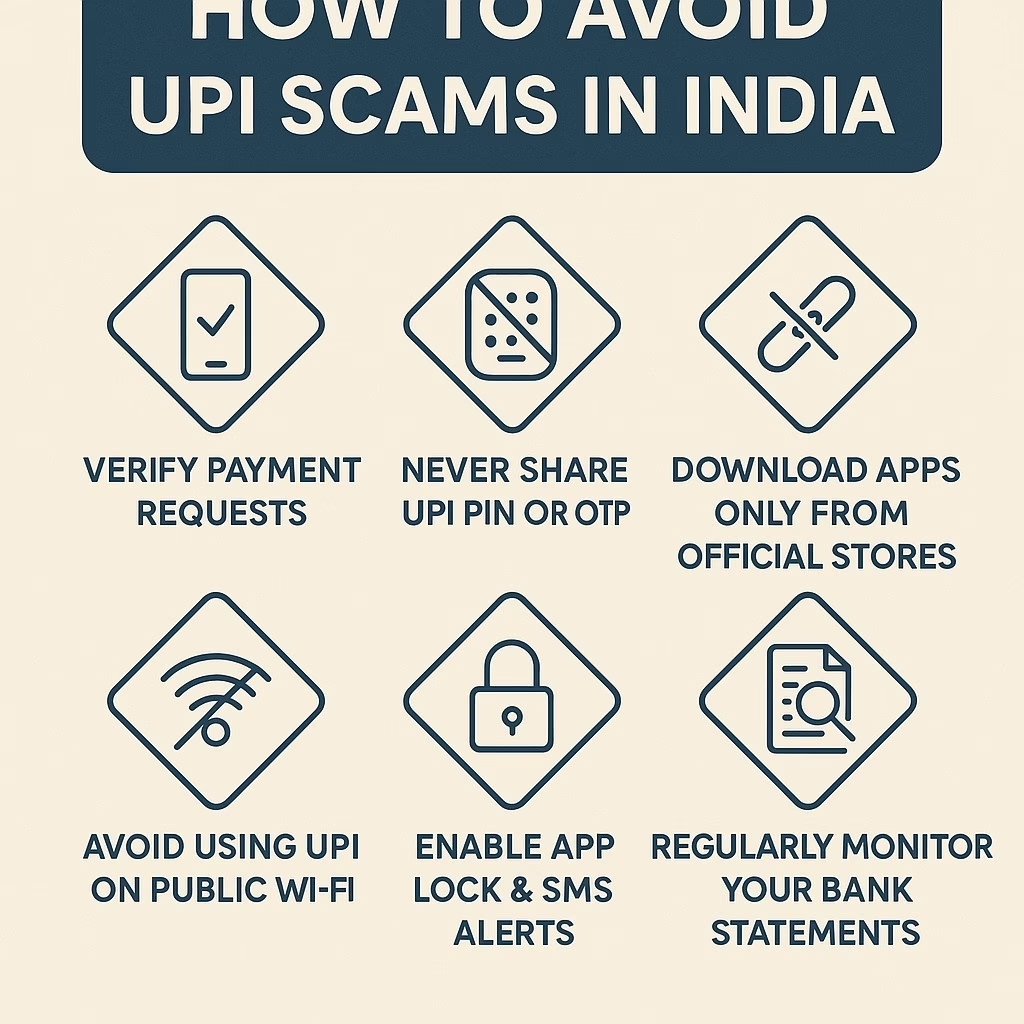
Here are 7 proven tips to keep your money safe:
1. Always Verify Payment Requests
If someone asks you to accept a request to receive money, stop immediately. UPI does not require approvals for incoming funds—you only approve when sending money.
2. Never Share UPI PIN or OTP
Your UPI PIN is like your ATM PIN—keep it private. Banks, RBI, or payment apps will never ask for it.
3. Download Apps Only from Official Stores
Stick to Google Play Store or Apple App Store. Avoid links shared via WhatsApp or SMS.
4. Double-Check Links Before Clicking
Fraudsters often create websites that look like your bank or Paytm. Always verify the URL before entering details.
5. Avoid Public Wi-Fi for Transactions
Hackers can intercept your data on open networks. Use mobile data or a secured Wi-Fi connection.
6. Enable App Lock & SMS Alerts
Even if your phone gets stolen, an app lock adds another security layer. SMS alerts keep you updated in real time.
7. Monitor Bank Statements Regularly
Review your transactions weekly. Spotting unusual activity early can prevent major losses.
Comparison Table: UPI Safety Checklist
| Risk Area | Unsafe Practice | Safe Practice |
|---|---|---|
| App Downloads | Installing from forwarded links | Downloading only from Play Store/App Store |
| Payment Requests | Accepting “collect money” requests blindly | Sending money only via trusted contacts |
| Network Use | Using public Wi-Fi for payments | Using mobile data or secure home Wi-Fi |
| Security PIN | Sharing UPI PIN with strangers | Keeping PIN confidential |
| Device Security | No screen lock, no app lock | Using app lock & phone lock |
Extra Safety Measures
RBI & NPCI Guidelines
The Reserve Bank of India and NPCI regularly publish safety guidelines. One key point: never rush a transaction. Scammers thrive on urgency.
Two-Factor Authentication
Wherever possible, enable two-step verification—especially if your UPI app offers it.
Set Daily Transaction Limits
Reduce risk by setting a cap on daily transactions. Even if someone gains access, the damage will be limited.
What to Do If You Fall Victim
If you ever realize you’ve been scammed, act fast:
- Contact your bank immediately – Freeze your account or block the UPI ID.
- Report on the NPCI portal – Visit npci.org.in for complaint filing.
- File a complaint at Cybercrime Portal – cybercrime.gov.in is India’s national cybercrime reporting portal.
- Keep evidence – Screenshots, SMS, or email proofs will help authorities trace fraudsters.
Key Takeaways
- UPI is safe if you use it responsibly.
- Never share confidential details.
- Verify before you approve any payment.
- Keep your apps and devices secure.
Digital payments make life convenient, but they also demand vigilance. Meera’s story reminds us that anyone can fall victim, but awareness is our strongest weapon.
If you’ve read this far, take a moment today: update your security settings, enable alerts, and talk to your family about these scams. Because protecting money is not just about savings – it’s about safety.
Table of Contents
Read more: Money Transfer Fraud in India: 7 Alarming Scams and How to Stay Safe
3 thoughts on “How to Avoid UPI Scams in India: Best Proven Tips to Stay Safe”