
When it comes to personal finance, nothing is more powerful than a simple budget. The importance of budgeting cannot be overstated – it’s the foundation of financial stability, smarter spending, and long-term wealth creation. Yet, many people avoid budgeting because they think it’s complicated, restrictive, or time-consuming. In reality, budgeting is about control and clarity. It helps you understand where your money goes and how to make the most of it.
In this guide, we’ll explore why budgeting is necessary, the benefits it offers, the mistakes to avoid, and practical tips to get started. By the end, you’ll see that the importance of budgeting is not just about saving money, but about building a life of freedom and security.
What Is Budgeting and Why Does It Matter?
Budgeting is the process of planning your income and expenses. It is like giving every rupee a job. Instead of wondering at the end of the month where all your money went, a budget shows you where it should go from the start.
The importance of budgeting lies in the fact that it creates a roadmap for your finances. Without a budget, you risk overspending, accumulating debt, and missing out on savings opportunities. With a budget, you have a clear picture of your financial health and can make informed choices.
The Importance of Budgeting in Daily Life
- Prevents overspending – When you know how much you can spend on groceries, travel, or entertainment, you are less likely to go beyond your means.
- Helps in saving consistently – A budget ensures that savings are treated as a priority, not an afterthought.
- Reduces financial stress – Money worries often come from uncertainty. Budgeting brings clarity and peace of mind.
- Prepares you for emergencies – By setting aside funds for unexpected events, you avoid falling into a debt trap.
- Supports long-term goals – Whether it’s buying a house, planning a wedding, or retiring early, budgeting aligns your spending with your goals.
The importance of budgeting is that it connects your present spending with your future dreams.
Benefits of Budgeting You Can’t Ignore
- Financial awareness – You know exactly how much comes in and goes out each month.
- Debt management – Budgeting helps you pay off loans strategically by setting aside money for EMIs.
- Improved savings rate – By cutting unnecessary expenses, you can increase your monthly savings.
- Smarter investments – A budget makes it easier to allocate money for SIPs, mutual funds, or stocks.
- Freedom to spend guilt-free – Budgeting doesn’t mean saying no to fun. It means you enjoy spending without the stress of overshooting.
When you realize the importance of budgeting, you understand it’s less about restriction and more about empowerment.
Common Budgeting Mistakes People Make
Even though the importance of budgeting is clear, many people struggle because of these common mistakes:
- Not tracking expenses – If you don’t track, you won’t know where the leaks are.
- Being too rigid – A budget should be flexible; unexpected costs will come up.
- Ignoring small expenses – Daily coffees, snacks, or subscriptions add up faster than you think.
- Failing to review – A budget needs regular check-ins to see if it’s still realistic.
- Skipping savings – Treating savings as optional defeats the purpose of budgeting.
Practical Tips to Make Budgeting Simple
- Start with the 50/30/20 rule – Allocate 50% of income to needs, 30% to wants, and 20% to savings/investments.
- Use budgeting tools or apps – Spreadsheets, mobile apps, or even a simple notebook can help.
- Automate savings – Transfer a fixed amount to savings or investments as soon as you get paid.
- Review monthly – Adjust your budget based on lifestyle changes or income growth.
- Include fun money – Budgeting should not feel restrictive. Allow yourself a small portion for guilt-free fun.
By applying these tips, the importance of budgeting will show itself in your improved financial health.
Budgeting for Different Life Stages
- Students – Learn to manage pocket money, part-time earnings, or allowances.
- Young professionals – Prioritize building an emergency fund and avoiding lifestyle inflation.
- Families – Plan for children’s education, healthcare, and household expenses.
- Retirees – Ensure that savings last longer by tracking expenses closely.
In every stage, the importance of budgeting remains the same: aligning money with life goals.
How Budgeting Builds Wealth Over Time
Budgeting is the first step towards wealth creation. By controlling expenses and increasing savings, you can invest more. Over time, compounding turns these investments into significant wealth. Without a budget, people often wonder why they can’t save despite earning well. With a budget, even modest earners can build financial security.
The importance of budgeting is clear here: it transforms income into long-term assets.
Take Control with the Budget Challenge
Budgeting is not about cutting joy from life. It’s about using your money in a way that brings both security and happiness. The importance of budgeting is that it gives you control, helps you achieve goals, and protects you from financial stress.
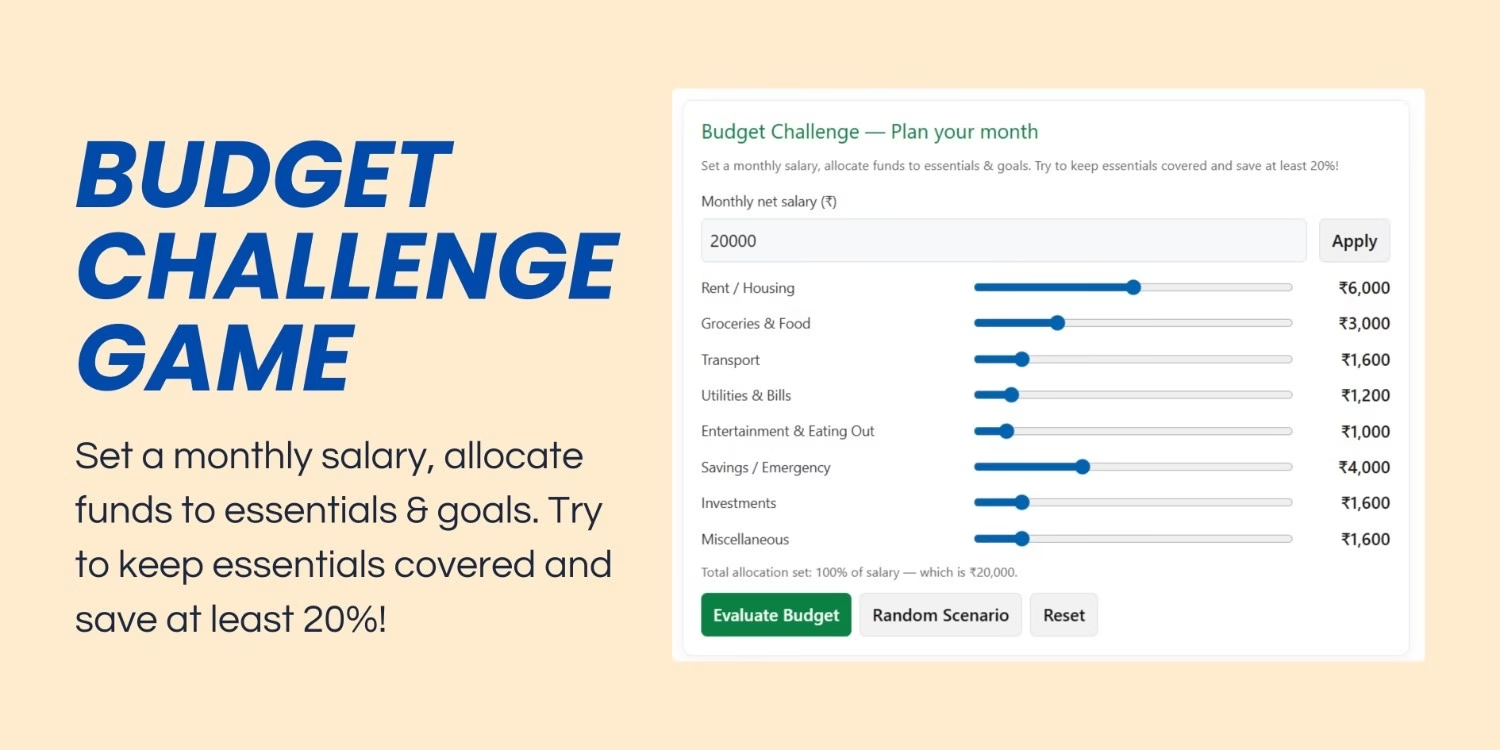
If you’ve ever struggled with managing your salary, try our Budget Challenge Game. It’s a simple, interactive way to test how well you allocate money across essentials, savings, and fun. Play the game today and see if your budgeting skills can hit the 100/100 score!
1 thought on “Budget Challenge Game”