

What is a simple way to save money? It’s a question we all ask at some point in our lives – usually when the month feels longer than our salary.
Take the example of Neha, a young marketing executive living in Mumbai. Despite earning decently, she found herself struggling to make ends meet.
The culprit wasn’t her income—it was her spending habits. Ordering food every other day, impulse shopping online, and forgetting to track small daily expenses all added up.
When Neha finally sat down to look at her bank statement, she was shocked at how much she was losing without realizing it.
Saving money doesn’t always require drastic sacrifices. Sometimes, it’s about adopting simple, sustainable habits that make a real difference. In this blog, we’ll break down 7 simple ways to save money that anyone can start today.
Why Saving Money Feels Hard
Before we jump into the solutions, it’s important to understand why saving money feels so challenging:
- Lifestyle inflation – as income grows, so do expenses.
- Impulse buying – online sales and discounts make us spend unnecessarily.
- Lack of planning – without a budget, money slips through unnoticed.
The good news? With a few practical changes, saving money can become effortless.
7 Simple Ways to Save Money
1. Track Your Expenses Daily
You can’t save what you don’t measure. Keeping a record of your daily expenses is the simplest way to identify where your money is going.
- Use budgeting apps like Walnut or Mint.
- Even a simple Excel sheet or notebook works.
Why it works: Awareness leads to control. Once you see where you’re overspending, you’ll naturally cut back.
2. Follow the 50-30-20 Rule
This popular budgeting method divides income into:
- 50% Needs (rent, groceries, bills)
- 30% Wants (shopping, dining, entertainment)
- 20% Savings/Investments
Even if you can’t follow it exactly, aiming for balance ensures savings are consistent.
3. Cook at Home More Often
Eating out or ordering delivery frequently is one of the biggest money drains.
- Cooking at home not only saves money but also improves health.
- Meal prepping can reduce food waste and grocery costs.
Neha realized that cutting down takeout from 10 times a month to just 3 helped her save nearly ₹4,000 monthly.
4. Automate Your Savings
Set up an auto-transfer to your savings account or SIP (Systematic Investment Plan) right after payday.
- Why it works: You save before you spend, not after.
- Treat savings as a non-negotiable “expense.”
5. Limit Impulse Purchases
Impulse buying is often triggered by emotions or marketing tactics. A simple rule:
- Wait 24 hours before making a non-essential purchase.
- Often, you’ll realize you don’t really need it.
6. Cancel Unused Subscriptions
Streaming platforms, gym memberships, or premium apps you no longer use silently drain your account. Review them monthly.
Neha canceled three subscriptions she barely used, instantly freeing up ₹1,200 per month.
7. Use Cash or UPI for Daily Spending
Swiping cards makes spending feel “painless.” Using cash or UPI (with real-time notifications) keeps you conscious of every rupee.
- Practical tip: Set a weekly cash/UPI limit for discretionary expenses.
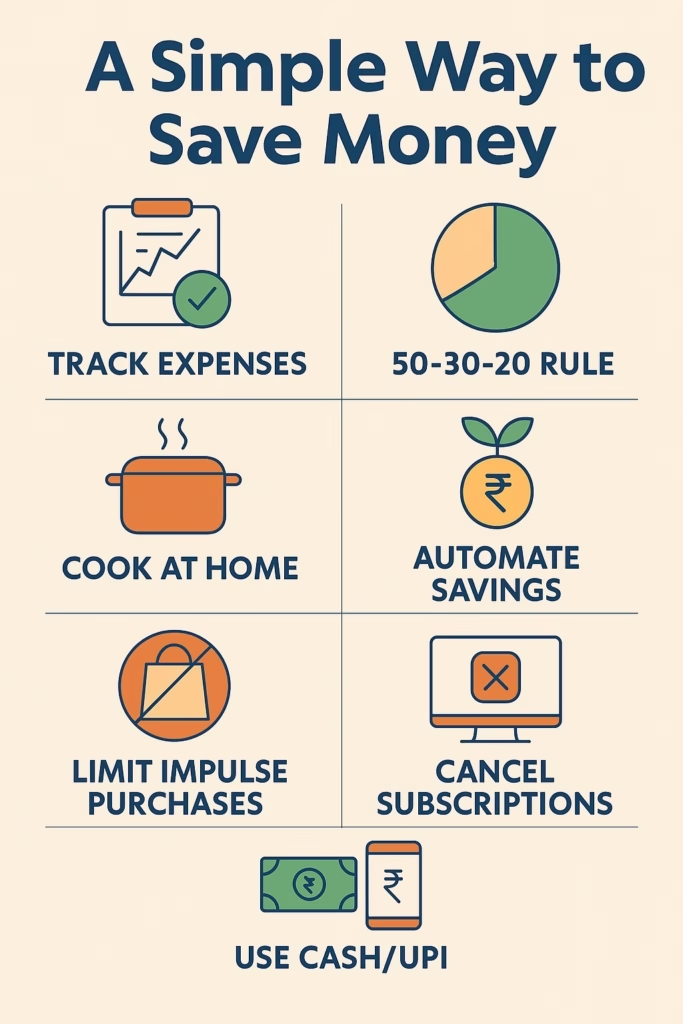
Quick Snapshot: Simple Ways to Save Money
| Method | How It Helps |
|---|---|
| Track Expenses | Identifies wasteful spending |
| 50-30-20 Rule | Ensures balance between needs & savings |
| Cook at Home | Cuts down on dining expenses |
| Automate Savings | Builds a habit of consistent saving |
| Limit Impulse Purchases | Stops unnecessary spending |
| Cancel Subscriptions | Saves from hidden costs |
| Use Cash/UPI | Increases awareness of daily spending |
Why Simple Works Better Than Complex
Many people complicate savings with dozens of strategies. But simplicity is more powerful:
- Simple rules are easier to follow daily.
- Habits stick when they don’t feel overwhelming.
- Small, consistent savings add up over time.
Final Thoughts
So, what is a simple way to save money? Start with awareness and small habits. Track your expenses, automate your savings, and cut unnecessary costs. You don’t need to give up all pleasures—you just need to be mindful.
Neha’s story proves it. Within six months of making these small changes, she not only cleared her credit card debt but also built her first emergency fund.
Remember: Saving money is less about restricting yourself and more about securing freedom for the future. Start today, and your future self will thank you.
Table of Contents
Read more: How to Build Emergency Fund: Essential Tips for Families
3 thoughts on “What Is a Simple Way to Save Money?”